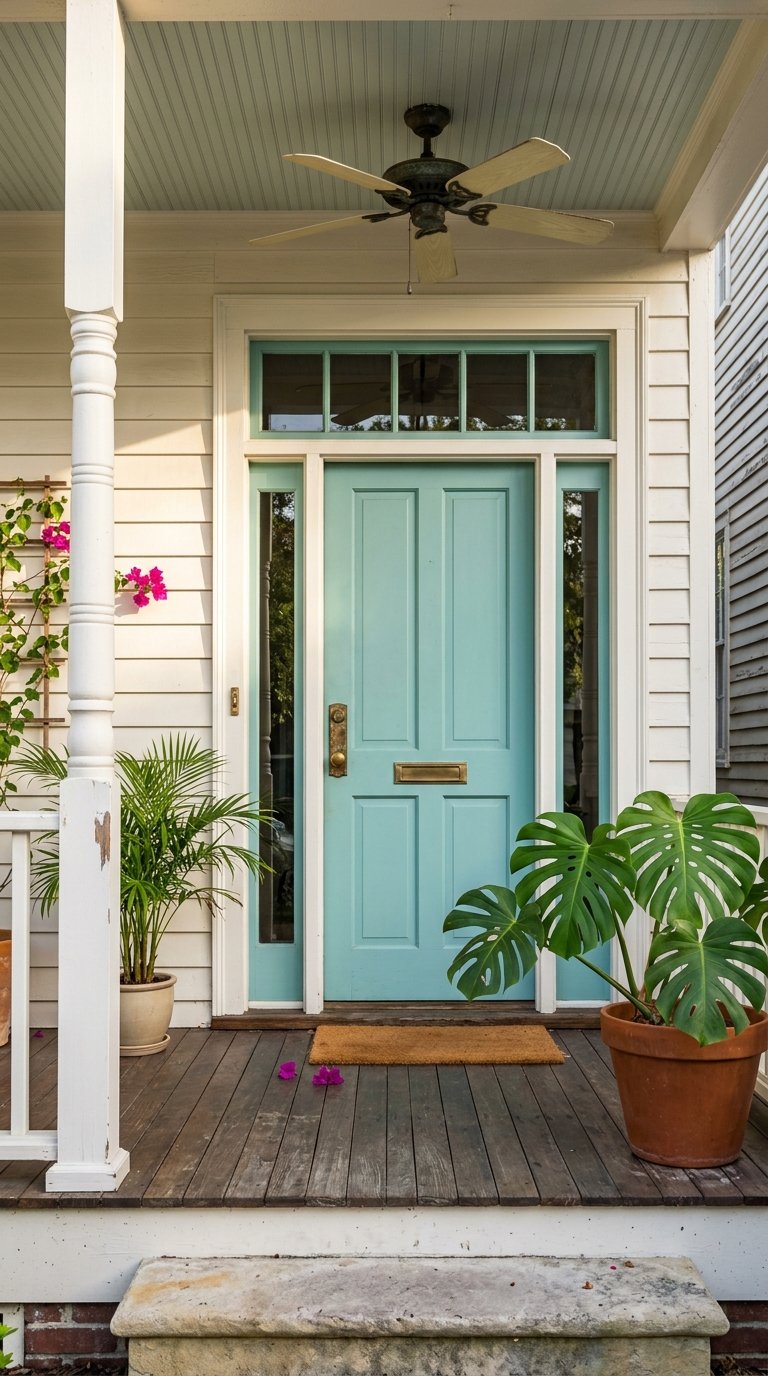
Selling a historic home in Key West can feel more complex than selling a typical property, especially when timing, permits, and preservation rules all affect your next move. If you want to protect your home’s value, avoid surprises, and present it well to buyers, the key is preparation. With the right plan, you can highlight the property’s character, document its history, and move through the process with more confidence. Let’s dive in.
Confirm Historic Status First
Before you make repairs, order photos, or set a listing date, confirm exactly how your home is classified. In Key West, the city’s preservation framework is extensive, and the Historic Architectural Review Commission, or HARC, oversees historic districts, buildings individually listed in the National Register, and contributing structures identified in the city survey.
According to the Advisory Council on Historic Preservation, Key West has a long preservation history, including Certified Local Government status since 1991. The city also explains that historic buildings are generally 50 years old or older, while historically contributing structures are identified through the Historic Structure Survey maintained by HARC in its historic building exemption guidance.
This matters because your home may be subject to review even if it is outside what you assume is the historic core. The city notes that HARC jurisdiction can also apply to exterior changes on contributing structures outside the historic-district boundary.
Why classification affects your sale
A historic Key West home is not simply an older property. It is part of a regulated preservation setting, and that can shape what work you can do before listing, how long updates may take, and what buyers will want to review.
For many sellers, this is the first major checkpoint. Once you know the property’s historic status, you can make smarter decisions about repairs, pricing strategy, timing, and marketing.
Focus on Preservation-Friendly Updates
If you are preparing a historic home for sale, the safest approach is usually maintenance and in-kind repair rather than exterior changes meant to modernize the look. In Key West, HARC guidelines place strong emphasis on preserving original character-defining features.
The city’s HARC Guidelines and Historic Architectural Design Guidelines identify windows, shutters, doors, porches, rooflines, and decorative woodwork as especially important.
Protect original windows and shutters
Historic windows should generally be retained and repaired when possible. The city specifically points to measures like re-caulking, painting, and replacing deteriorated elements in kind rather than swapping them out for incompatible alternatives.
Shutters also receive careful scrutiny. On contributing buildings, nonfunctional decorative shutters on elevations visible from the street are prohibited, and storm-protection products are reviewed for visibility and their effect on historic integrity.
Be careful with doors and porches
For many 19th-century homes, the city expects traditional wood paneled doors unless documentation shows another historic style. Sliding glass doors are not considered appropriate on publicly visible façades of contributing historic structures.
Porches are especially sensitive in Key West. The city says porch reconstruction on contributing buildings should duplicate the original entryway and porch and remain compatible in design, scale, material, and color. Removing or enclosing an open historic porch on a publicly visible elevation is not considered appropriate.
Use old photos as proof
If you have older photos of the home, keep them handy. The city notes that old photographs and Sanborn maps can help document original details like trim, shutters, awnings, and porches, while current photos from the street or sidewalk can clarify condition and visible features.
That documentation can support both pre-listing decisions and buyer conversations later.
Build the Timeline Early
One of the biggest mistakes sellers make is assuming cosmetic exterior work can be completed quickly. In Key West, historic review can affect your listing calendar, so it is smart to build extra time into your plan.
The city’s Certificate of Appropriateness page states that a Certificate of Appropriateness, or COA, is required for new structures and for exterior painting, repainting, repair, alteration, remodeling, landscaping, or demolition of exterior features. The city also says all exterior work must have HARC approval, even when a building permit is not required.
Understand COA and permit requirements
If work is valued at more than $1,000, the city’s permit application page says a building permit is required. For exterior work in the Historic District, a COA is part of that broader review path.
There is one important detail to verify before you begin. The city’s March 10, 2025 COA process document says COA applications must be filed separately from building permit applications, while another city page still describes a combined application workflow. Because those materials conflict, it is wise to confirm the current filing process directly with HARC or the Building Department before starting work.
Most applications are handled at staff level
The good news is that the city says about 95% of COA applications are approved at staff level. Larger projects, or projects that do not comply with the guidelines, may need to go before HARC as an agenda item.
For those more involved cases, the city requires a pre-application meeting with staff. HARC also offers weekly office hours every Wednesday from 8:30 AM to 12:30 PM, which can help you resolve issues before your listing timeline gets too tight.
Scope changes can create delays
Once work is approved, the scope matters. The city warns that changes to the approved plan require further HARC review, and failure to follow the approved plan can lead to fines or reconfiguration of the work.
That is why sellers benefit from locking down the scope early. If your sale depends on exterior updates, storm-protection work, or other visible changes, the approval process should happen well before photography and launch.
Watch for High-Risk Projects
Some projects create much more risk than others. Demolition, moving a structure, major additions, and visible exterior redesigns are among the slowest and most regulated paths.
The city’s design guidelines explain that a COA must be issued before demolition can be approved, and HARC may delay demolition of designated historic sites for up to six months. The city also states that demolition by neglect is a code violation.
If you are thinking about a major pre-sale overhaul, pause first. In many cases, preserving what is there and documenting it clearly is the better strategy.
Market the Home’s Character Clearly
When it is time to list, historic homes in Key West benefit from a different marketing approach than newer construction. Buyers are often looking closely at authenticity, visible character, and signs that maintenance has respected the home’s original design.
The city’s guidelines note that photos of the building and streetscape quickly clarify condition, style, and the location of planned work. That supports a marketing strategy that gives real attention to the façade, porches, shutters, windows, roofline, and other street-visible details, not just polished interior images.
Show what has been preserved
Your listing should help buyers understand what makes the property special. If the home has original or carefully repaired woodwork, preserved window patterns, documented porch details, or historically appropriate shutters and doors, those details deserve clear mention.
A historic home often tells its story best through specifics. Buyers want to see what is original, what has been repaired, and whether visible updates were handled in a way that fits Key West’s preservation standards.
Create a strong seller packet
A well-prepared seller packet can make a real difference. Based on the city’s documentation-heavy process, a useful package may include:
- COA approvals
- permit history
- contractor invoices
- historic photos
- a plain-language summary of what was repaired versus replaced
This kind of record helps buyers feel informed and can make due diligence smoother.
Address Flood and Storm Readiness
In Monroe County, buyers are also thinking about resilience. Historic charm matters, but so do flood considerations, insurance questions, and storm protection.
According to Monroe County flood information, homeowners insurance does not cover flood losses. The county also notes that preliminary coastal flood maps may affect development standards and future insurance requirements and costs.
Explain upgrades with context
Key West’s design rules make it clear that resilience improvements still need to be visually sensitive in historic areas. That means shutters, storm-protection systems, and other exterior measures may matter not just for function, but also for how they affect the building’s historic appearance.
For major renovations, the city’s prerequisites page says new construction and major renovations must meet baseline green-building certification, elevate the first habitable floor 1.5 feet above FEMA base flood level, and include a rainwater catchment system. The same page explains that contributing structures within the historic district are exempt from the elevation requirement, while machinery and utilities are not exempt.
If your home has completed resilience-related work, document it clearly and present it accurately. Buyers appreciate clarity, especially when historic status and floodplain issues intersect.
Follow a Simple Selling Plan
Selling a historic home in Key West is usually about preparation, not perfection. You do not need to reinvent the property. You need to understand the rules, preserve what matters, and present the home with strong documentation.
A practical step-by-step path looks like this:
- Confirm the home’s historic or contributing status.
- Review any planned exterior work against HARC guidelines.
- Verify the current COA and permit filing process with the city.
- Complete preservation-friendly repairs before photography.
- Gather historic photos, approvals, invoices, and permit records.
- Market the home around documented character and thoughtful upkeep.
- Be ready to answer buyer questions about flood, storm, and maintenance history.
With the right strategy, your home’s age and character can become strengths instead of obstacles.
If you are preparing to sell a distinctive property in Key West or anywhere in the Lower Florida Keys, Ally Kelley offers a white-glove approach that helps you navigate pricing, presentation, and island-specific logistics with confidence.
FAQs
What makes a home historic in Key West?
- In Key West, the city generally considers buildings 50 years old or older to be historic, and historically contributing structures are identified through the Historic Structure Survey maintained by HARC.
Does exterior work on a Key West historic home need approval?
- Yes. The city states that all exterior work requires HARC approval, even when a building permit is not required.
What is a Certificate of Appropriateness in Key West?
- A Certificate of Appropriateness, or COA, is the city’s required approval for many types of exterior work, including painting, repairs, alterations, landscaping, and demolition.
Should you replace original windows before selling a historic Key West home?
- Usually, the safer path is to retain and repair historic windows when possible, because the city treats them as character-defining features.
How should you market a historic home in Key West?
- Focus on documented architectural character, visible historic details, preservation-friendly repairs, and organized records such as permits, approvals, invoices, and historic photos.