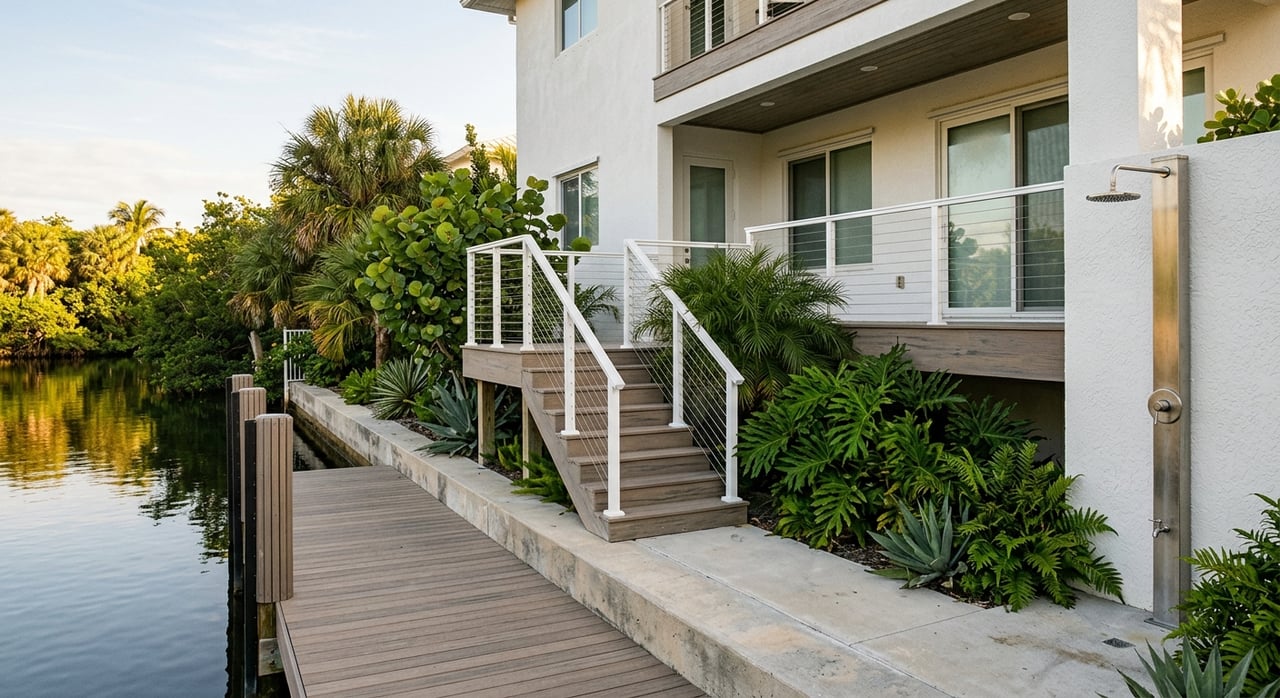
Dreaming about a place where you can leave the mainland behind, keep a boat nearby, and settle into a true island routine? Owning a vacation home in Key Colony Beach can offer exactly that, but it also comes with local rules and logistics that matter more than many buyers expect. If you are considering a second home here, understanding how the city works can help you buy with confidence and enjoy the experience more fully. Let’s dive in.
Why Key Colony Beach Feels Different
Key Colony Beach is more than a scenic stop in the Middle Keys. It is an incorporated city with its own code enforcement, police department, wastewater utility, post office, and even a par-3 golf course listed in the official city directory.
For you as a second-home owner, that means day-to-day ownership is shaped by a very local level of government. Rules are not casual or loosely applied. City materials state that ordinances are codified in city law or state statute and are strictly enforced, which is important if you are buying from out of town and expect a simple resort-style setup.
This local structure can be a real advantage. A smaller city often means a more defined ownership environment, clearer expectations, and a stronger sense of how the community functions from season to season.
What Types of Homes You’ll Find
In Key Colony Beach, the most relevant property types for vacation-home buyers are typically condos or co-ops, single-family homes, and duplexes. That local mix is reflected in the city’s vacation-rental fee structure and Florida’s lodging license categories.
Each option can fit a different ownership style. A condo or co-op may appeal to buyers who want a more streamlined setup, while a single-family home or duplex may offer more privacy, space, or flexibility depending on your goals.
If you are weighing personal use against possible rental income, the property type matters. The way a home is laid out, licensed, and managed can affect everything from occupancy limits to how easily you handle the property when you are away.
The Lifestyle Side of Ownership
A vacation home here is about more than square footage. Key Colony Beach has a smaller, leisure-oriented feel, with amenities that support a relaxed coastal lifestyle rather than a large, high-density resort atmosphere.
The city directory lists a par-3 golf course, and a 2024 mayoral update noted new tennis and pickleball courts at the 7th/8th Street park. For many second-home buyers, those features add value because they make it easy to slip into a familiar routine when you are in town.
Boating is also a major part of the ownership experience. If waterfront access is part of your vision, you will want to think beyond the dock or canal view and pay close attention to the city’s operating and parking rules for watercraft.
Boating Rules Matter Here
If you plan to bring a boat, trailer, or other watercraft, local rules deserve a close look early in your search. City materials state that one boat or trailer per address may be parked on the property, and temporary trailer parking is available at the city lot on 8th Street.
The city also requires watercraft to operate at idle or no-wake speed in local waterways. In addition, living aboard a vessel and rafting vessels together are prohibited.
These are not small details. They shape how you use the property, how your guests visit, and how easily you can enjoy the boating lifestyle without surprises.
Part-Time Ownership Takes Planning
Many buyers picture a second home as a lock-and-leave retreat. In Key Colony Beach, it is smarter to think of ownership as part-time occupancy with active oversight.
The city’s property-manager course says either the property manager or the local contact should check properties weekly. It also states that rental rules must be kept in the unit or electronically on file and available for inspection.
That tells you something important about the local market. Even if you use the home only part of the year, regular attention is part of responsible ownership here.
Trash, Yard Care, and Weekly Routines
Island ownership often comes down to the basics. In Key Colony Beach, trash and yard maintenance follow a defined schedule, and staying on top of that schedule can help you avoid headaches.
City materials specify trash pickup on Tuesdays and Saturdays, recycling on Tuesdays, and yard waste on Wednesdays. Carts should be placed out after noon the day before pickup and returned within 24 hours.
Monroe County also identifies Marathon Garbage Service as the hauler serving Key Colony Beach. If you are not living in the home full-time, coordinating these basics through a local contact, property manager, or trusted vendor is often a smart move.
Parking Can Affect Daily Convenience
Parking rules are another practical issue that can catch second-home owners off guard. City rules limit where vehicles can park, generally prohibit street parking, and set specific standards for boat trailers and temporary trailer storage.
That matters not only for you, but also for guests, service providers, and contractors. A home that looks perfect on paper may feel less convenient if your parking needs do not line up with the property layout and the city’s rules.
When you tour homes, it helps to think through the details. Consider your vehicle count, trailer needs, visiting guests, and any vendors who may need access while you are away.
Storm Planning Is Part of Ownership
In the Florida Keys, storm readiness is not optional. Monroe County states that all of Monroe County is a coastal floodplain, that homeowners insurance does not cover flood damage, that all Keys are vulnerable to flooding, and that hurricane season runs from June 1 through November 30.
For you, that means storm planning should be built into your buying decision from the start. It is not just about the home itself, but also about how you will monitor the property, prepare before a storm, and respond if you are off-island.
This is where local guidance becomes especially valuable. A well-organized ownership plan can make a major difference in how confidently you manage a second home over time.
Renting Your Vacation Home
If you hope to offset costs with rental income, Key Colony Beach has a clear structure you need to follow. According to the city’s 2026 property-manager course, vacation-rental licenses are valid from October 1 through September 30, and the minimum rental period is 7 days.
Each rental unit needs a business tax license. The same materials note that duplexes need separate licenses if both sides will be rented.
Occupancy is also regulated. The city caps occupancy at 2 people per bedroom plus 2 in a living room, with a gross maximum of 10 occupants or the square-footage limit, whichever is less.
Expect Layered Licensing and Compliance
Owners often assume vacation renting involves one permit and a few basic steps. In this market, the process is more layered.
Florida DBPR treats vacation rentals as a licensed lodging category. Monroe County’s vacation-rental inspection information says inspectors should have the DBPR license, county business tax receipt, and any county planning permit or application on site.
The city also notes that unpaid wastewater bills and code-violation fines must be cleared before a vacation-rental license can be issued. If rental income is part of your strategy, it is wise to understand the compliance path before you buy, not after closing.
Tourist Development Tax and Filing Basics
Short-term rental ownership also comes with tax reporting responsibilities. Monroe County’s Tourist Development Tax is 5% of the rental amount for accommodations rented for 6 months or less.
The county says returns are due monthly even if no rentals occurred. That is a detail many new owners do not expect, but it matters if you want to keep your property in good standing.
For part-time owners, a strong system for recordkeeping can save time and stress. Clear processes around licenses, filings, and local contacts help protect the convenience that drew you to a second home in the first place.
Personal Use Versus Rental Use
One of the biggest questions buyers ask is whether a Key Colony Beach home should be primarily for enjoyment, income, or a blend of both. The answer depends on how you want to use the property and how comfortable you are with the local operating requirements.
Federal tax treatment can also vary based on personal use and rental use. The IRS says a dwelling used personally for more than 14 days or more than 10% of rental days is treated as a residence for these rules, and fewer than 15 rental days can trigger a special non-reporting rule.
For many buyers, the best fit is a home that supports your lifestyle first and your financial goals second. When those two priorities are aligned, ownership tends to feel much smoother.
Access and Getting Around
Even in an island setting, access still matters. Monroe County transit reaches the area, with the Lower Keys Shuttle including a stop at Sadowski Causeway at Key Colony Beach.
The county also notes that Miami-Dade service runs through the Middle Keys along US-1. That may not replace a car for most owners, but it is helpful context for occasional visitors or for understanding local transportation options.
How to Buy Smarter in Key Colony Beach
A great vacation home purchase here is usually about fit, not just features. Before you buy, it helps to weigh a few core questions:
- How often will you use the home yourself?
- Do you want occasional rental income or a more active rental plan?
- Will you need boat or trailer storage on site?
- Who will check the property weekly when you are away?
- How will you handle trash, yard care, storm prep, and vendor access?
- Does the property’s parking setup work for your real-life needs?
When you answer these questions early, you can focus on homes that match the way you actually want to live. That approach often leads to better decisions and fewer surprises after closing.
Owning a vacation home in Key Colony Beach can be deeply rewarding. You get the beauty, boating access, and easy rhythm that draw people to the Florida Keys, but you also need a clear plan for local rules, maintenance, and part-time ownership logistics. When you understand both sides of the picture, you can choose a property that supports the lifestyle you want with far more confidence.
If you are exploring vacation homes, waterfront properties, or investment opportunities in the Middle Keys, Ally Kelley offers the local insight and white-glove guidance to help you move forward with clarity.
FAQs
What makes owning a vacation home in Key Colony Beach different from other beach towns?
- Key Colony Beach is an incorporated city with its own local government functions, including code enforcement, police, wastewater utility, and city-specific rules that are strictly enforced.
What property types are common for vacation-home buyers in Key Colony Beach?
- Buyers will often encounter condos or co-ops, single-family homes, and duplexes, each with different ownership, management, and rental considerations.
What are the vacation-rental rules for Key Colony Beach homes?
- The city requires a vacation-rental license valid from October 1 through September 30, a 7-day minimum rental period, a business tax license for each unit, and compliance with occupancy limits.
What should part-time owners know about managing a Key Colony Beach home?
- City guidance says the property manager or local contact should check the property weekly, and owners should stay organized around trash schedules, yard care, parking, and storm preparation.
What boating and trailer rules apply to Key Colony Beach properties?
- City rules state that one boat or trailer per address may be parked on the property, temporary trailer parking is available at the city lot on 8th Street, and local waterways require idle or no-wake operation.
What taxes apply if you rent out a Key Colony Beach vacation home?
- Monroe County’s Tourist Development Tax is 5% of the rental amount for accommodations rented for 6 months or less, and returns are due monthly even if no rentals occurred.