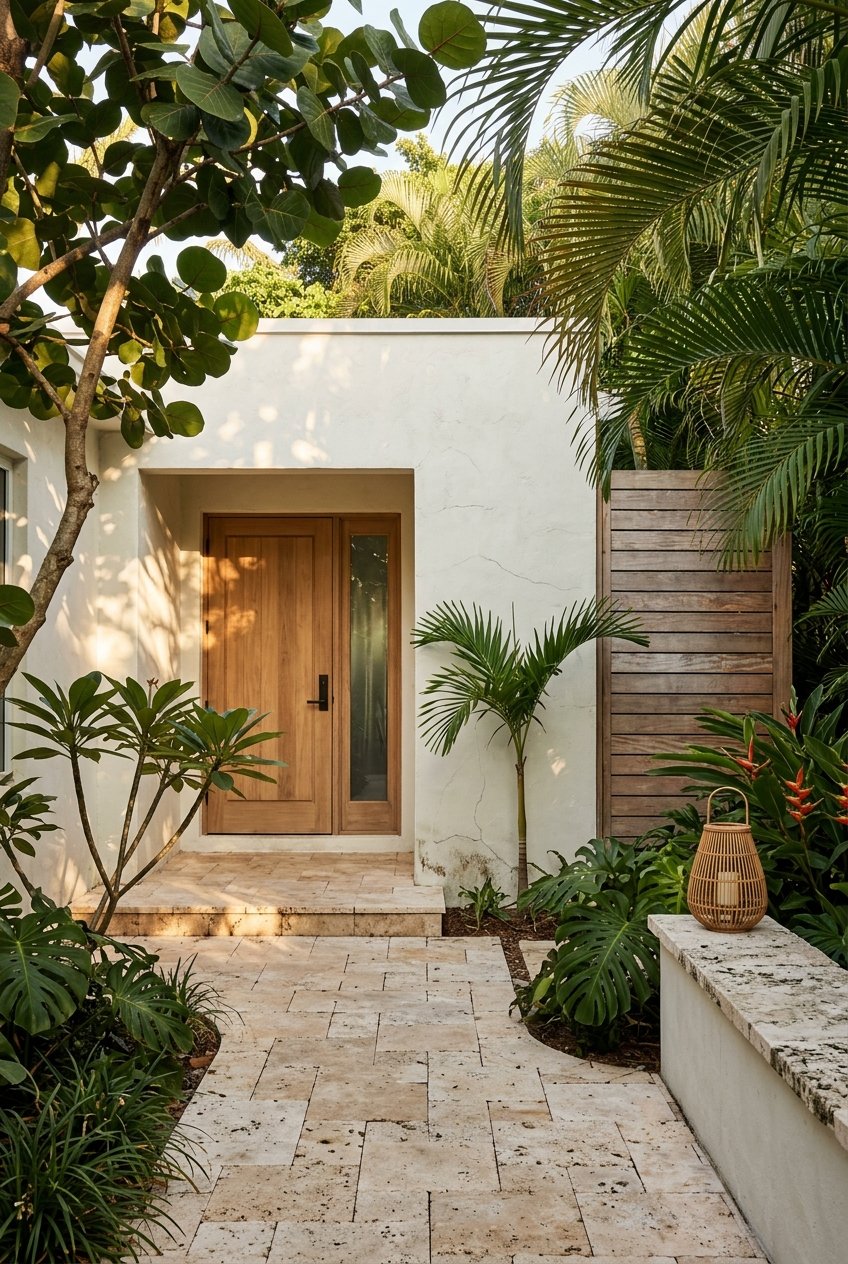
If your idea of luxury in Key West has more to do with shade, privacy, and a slower street rhythm than flashy square footage, you are not alone. Many buyers want the island’s character and convenience without feeling like they live in the middle of the busiest postcard scene. The good news is that some of Key West’s most appealing pockets deliver exactly that blend of charm and calm. Let’s dive in.
What laid-back luxury means in Key West
In Key West, luxury often feels more understated than grand. The city’s historic design guidance shows that the island’s most refined residential areas are shaped by street pattern, porches, setbacks, and the scale of the homes rather than sheer size alone.
That matters when you start exploring neighborhoods. A quiet lane, a shaded front porch, and a home that fits naturally into the street can create a much more relaxed experience than a larger house on a busier block. In Key West, the feeling of luxury is often tied to how a place lives day to day.
Why some blocks feel quieter
Old Town developed on a grid with secondary lanes leading to interior homes. According to the city’s guidance, many residential areas still feel distinctly residential because of those small lanes, slow-traffic streets, and small-scale houses.
The Old Town Historic District was added to the National Register of Historic Places in 1971 and expanded in 1983. That long-standing framework helps explain why many blocks still hold a strong sense of place and why the island does not feel uniform from one pocket to the next.
The city also makes clear that Key West neighborhoods are not interchangeable. Caroline, Fleming, and Southard streets differ from The Meadows, and Casa Marina has its own larger-lot character. For you as a buyer, that means it is worth looking closely at the street, not just the ZIP code.
Casa Marina feels open and spacious
If you want a more open residential setting, Casa Marina is one of the clearest places to start. City guidance describes this area as having larger plots, larger front and side yards, and a greater number of more modern homes.
That extra spacing can create a calmer, more private feel than the tighter lanes of the historic core. You may still be in Key West, but the experience of the street can feel more relaxed and less compressed.
For buyers drawn to laid-back luxury, Casa Marina often stands out because it balances island character with breathing room. It is a strong fit if your version of luxury includes a more open streetscape and a quieter relationship between homes.
The Meadows offers a different pace
The Meadows has a character the city specifically distinguishes from nearby streets like Caroline, Fleming, and Southard. That is useful because it reinforces an important point: adjacent parts of Key West can feel very different even when they are close together.
For buyers, The Meadows can be appealing because it offers a residential feel that is separate from the better-known corridors. Instead of assuming all of Old Town reads the same, it helps to compare block by block and notice how scale, setbacks, and street activity change.
This is often where local guidance becomes especially valuable. A home that looks similar on paper may feel completely different once you understand how that micro-location functions day to day.
Interior Old Town lanes feel tucked away
Some of the most private-feeling homes in Key West are not on the best-known streets at all. In the historic grid, secondary lanes lead to interior homes, and those tucked-away locations can feel surprisingly secluded.
That pattern is one reason Old Town can offer both energy and retreat. You may be within walking distance of major landmarks or busy commercial areas, yet still find blocks that feel intimate and residential.
For buyers who want authentic Key West texture without a constant sense of activity outside the door, these interior lanes deserve a close look. They often deliver the kind of quiet that is easy to miss if you only tour the main streets.
Truman Annex connects home and outdoors
Truman Annex and the south end waterfront appeal to buyers who want a residential setting with immediate outdoor access. The city notes that Fort Zachary Taylor sits at the end of Southard Street through Truman Annex, and the adjacent state park offers beach access, snorkeling, fishing, bicycling, and a short nature trail.
That combination can be especially attractive if your ideal day includes stepping outside and getting straight into the island lifestyle. The setting offers a strong link between home, water, and outdoor recreation without relying on a high-profile resort atmosphere.
The National Park Service also places the Little White House within the Truman Annex area. That adds another layer of place identity to a pocket that already stands out for location and access.
Old Town side streets keep the island feel
Old Town’s quieter side streets are a big part of what makes Key West feel special. The city’s design guidance describes these areas through small-scale houses, residential setbacks, and a pedestrian-oriented street wall.
The same guidance notes that residential buildings along historic mixed-use corridors often include front yards, while corner lots often have side-street setbacks. Together, those details help explain why certain blocks feel softer, more tucked away, and more residential than you might expect.
If you are searching for laid-back luxury, this is where the island’s subtle appeal really shows up. It is less about spectacle and more about rhythm, shade, and how comfortably a home sits within its block.
Architecture shapes the luxury experience
In Key West, architecture is one of the strongest signals of understated luxury. The city’s historic design guide identifies the Key West eyebrow house as a style unique to the island, with smaller windows tucked beneath the roofline, full-length porches, and Classical Revival detailing.
The guide also describes Bahama houses as climate-responsive homes built to take advantage of sea breezes. These homes were typically raised on piers, clad in wood, and organized around verandas and multiple doorways.
More broadly, one- to two-and-a-half-story wood houses, front porches, and raised foundations appear again and again in the city’s style guidance. That repeated pattern helps explain why luxury here often reads as airy, shaded, and climate-smart rather than oversized or formal.
Newer homes can still feel authentic
Not every buyer wants a fully historic home, and Key West does allow room for newer construction within its established character. The city emphasizes that new construction in historic areas does not have to copy older buildings exactly.
Instead, it should be compatible in scale, massing, setbacks, roof shape, and materials. For you, that means a newer home can still feel grounded in the island’s design language if it respects the proportions and rhythm of the neighborhood.
This design continuity is part of the appeal. It helps preserve a cohesive street experience, even when homes come from different eras.
Know the renovation rules before you buy
If you are considering an older home, it is important to understand the renovation process early. The city says exterior changes inside the historic district can require a Certificate of Appropriateness.
That review can apply to new structures, fences, decks, signs, painting or repainting, repairs, alterations, remodeling, landscaping, and demolition. In practical terms, a historic Key West home can offer extraordinary charm, but exterior work may come with added design review.
That does not have to be a drawback, but it should shape your planning. If renovation flexibility matters to you, this is one of the first issues to discuss before moving forward on a property.
How to narrow your search
If your top priority is the quietest possible feel, Casa Marina, Truman Annex, and the interior lanes off Old Town are strong places to focus. That takeaway is based on the city’s descriptions of lot size, street pattern, and residential character.
If you want the most unmistakably Key West look, eyebrow houses, Bahama houses, and porched frame cottages are some of the clearest architectural references. Those styles capture the island’s climate-smart, porch-centered identity.
The key is matching your lifestyle to the right pocket. Some buyers want more openness, some want tucked-away historic texture, and some want immediate access to waterfront recreation. A thoughtful search helps you separate the addresses that look good online from the ones that truly fit how you want to live.
Key West rewards buyers who pay attention to nuance. The best hidden corners are not always the loudest or the most obvious. If you want help comparing residential pockets, understanding historic-home considerations, or finding a property that fits your version of island luxury, Ally Kelley can guide you through the process with the kind of local insight and white-glove service that makes a difference.
FAQs
Which Key West areas feel the quietest for luxury buyers?
- Based on the city’s guidance, Casa Marina, Truman Annex, and the interior lanes off Old Town are among the strongest candidates for a quieter residential feel.
What makes Casa Marina different from other Key West neighborhoods?
- City guidance describes Casa Marina as having larger plots, larger front and side yards, and more modern homes, which creates a more open residential character.
What do interior Old Town lanes offer in Key West?
- The historic grid includes secondary lanes leading to interior homes, and those tucked-away locations can feel more private than the better-known streets nearby.
What architectural styles feel most like classic Key West?
- The city’s historic design guide highlights eyebrow houses, Bahama houses, and porched wood-frame homes as strong examples of the island’s architectural identity.
What should buyers know about renovating a historic Key West home?
- Exterior changes in the historic district may require a Certificate of Appropriateness, and that review can apply to work such as painting, decks, repairs, landscaping, and remodeling.