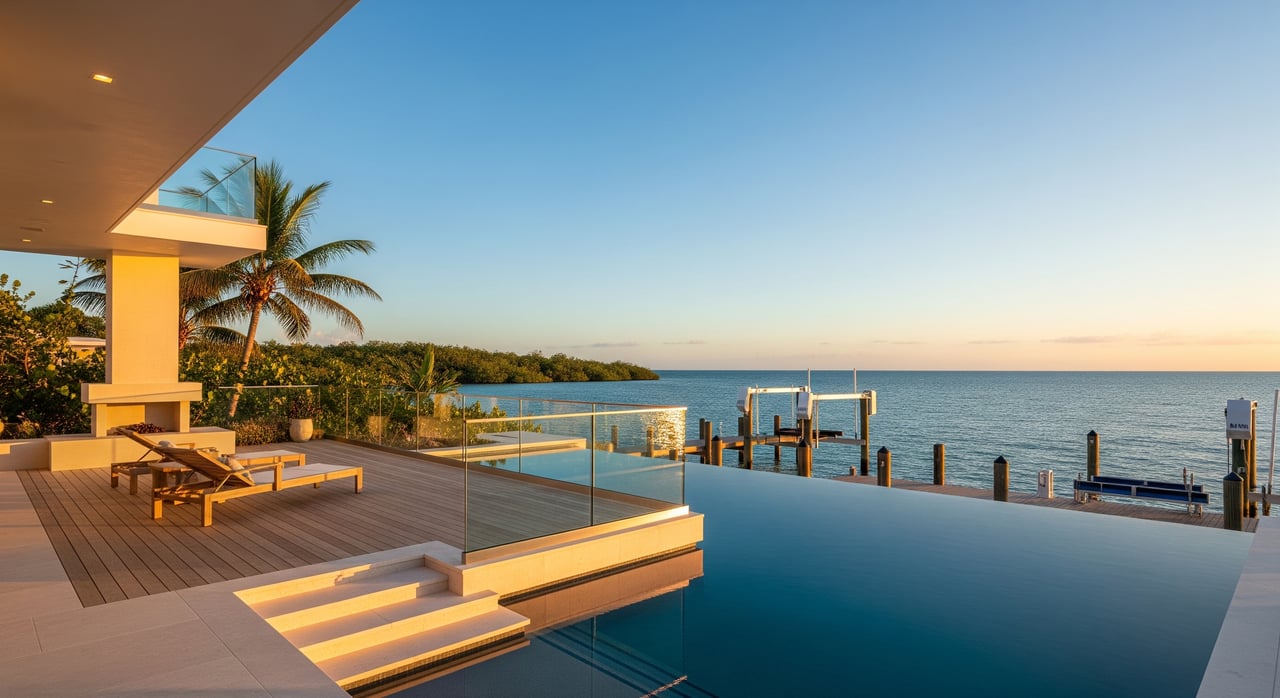
Thinking about Sugarloaf Key but torn between Gulf side and ocean side living? You are not alone. The choice shapes your day-to-day comfort, boating routine, maintenance needs, and even your sunrise or sunset ritual. In this guide, you will compare the two sides clearly so you can match your lifestyle and vessel to the right shoreline. Let’s dive in.
Sugarloaf Key orientation
Sugarloaf Key sits in the Lower Florida Keys in Monroe County with homes on both sides of U.S. 1. Locals describe properties as Gulf side on the west or northwest facing Florida Bay and Gulf of Mexico, or ocean side on the east or southeast facing the Atlantic and the Florida Straits. You will also hear Upper and Lower Sugarloaf Key for neighborhood areas.
When you evaluate a property, think about more than the view. Your boating route, nearby channels, and shoals all matter. Reviewing nautical charts for the approach around your parcel helps you understand real access and depth where you plan to live.
Wind, sun, and weather
Breezes and everyday comfort
Prevailing winds in the Keys often come from the east and southeast. Ocean-facing homes usually feel more direct breeze and see more short-period chop on exposed shorelines. Gulf-facing homes often sit in the lee during these conditions, which means calmer water and lighter wind on average.
The right choice depends on what you prefer. If you like a constant breeze on the deck, the ocean side often delivers. If you want a more protected yard and dock for casual afternoons, the Gulf side tends to be quieter.
Sunrises and sunsets
Ocean-side decks commonly catch bright morning light and wide-open sunrises over open water. Evenings can feel cooler with the sun behind you. Gulf-side lots more often offer west-facing sunsets and warm afternoon sun. Actual sun angle depends on lot orientation, so step onto the property during morning and late-day hours to see what you will experience.
Storm exposure and surge
Hurricane effects depend on a storm’s track and wind direction. Ocean-front exposure can bring stronger wind-driven waves from the Atlantic, while the Gulf and bay side can see higher surge in certain tracks. Evaluate historical surge maps for your parcel and check FEMA flood maps, then pair that with your elevation and construction details to understand risk.
Water and boating access
Water clarity and recreation
Ocean water off Sugarloaf often looks clearer and bluer with more wave action. It suits divers and anglers heading offshore. Gulf and bay waters are typically shallower and warmer with seagrass flats and mangrove edges, which are ideal for flats fishing, kayaking, birding, and shallow-draft skiffs.
If your lifestyle leans toward offshore runs, the ocean side can shorten the trip to deep water. If you love to pole a flats skiff or paddle in protected water, the Gulf side may feel like home.
Depth, draft, and channels
Ocean-side properties often have quicker access to deeper channels that handle larger center consoles and walkarounds, depending on the specific lot and canal. Gulf-side canals and mangrove shorelines frequently have shallower approaches and may fit skiffs, flats boats, and shallow-draft craft best. Older or lightly maintained canals can shoal and limit draft, especially at low tide.
Before you buy, match the route to your vessel:
- Know your boat’s draft, beam, and turning radius.
- Identify any fixed-bridge clearances on your route.
- Ask about typical low-tide depths and shoaling patterns.
- Consider a local captain or marine surveyor to test the run at a negative tide.
Marinas, fuel, and convenience
The location of marinas, ramps, and fuel docks affects your day-to-day routine. A property with beautiful water can still be inconvenient if fuel or haul-outs are far by water. Map distances to services and factor in no-wake zones, tidal currents near bridges, and seasonal patterns.
Shoreline, docks, and maintenance
Seawalls vs. mangroves
Canal-front lots with bulkheaded seawalls are common, often with private docks or pilings. On the bay and Gulf side, natural mangrove shorelines are more frequent. Mangroves provide natural erosion control, habitat, and privacy, but they can complicate direct boat access. Any trimming or shoreline alteration is regulated and may require permits.
Dock feasibility and upkeep
Seawalls and docks need periodic inspection and maintenance. Age, condition, and construction quality drive future costs. If you plan to add or expand a dock, expect permitting steps and lead time. A professional seawall and dock inspection is a smart part of due diligence.
Canal considerations
Not all canals are equal. History of dredging, bottom composition, and neighborhood assessments for maintenance can impact access and cost. Ask neighbors and the seller about dredging frequency, no-wake enforcement, and any community rules or assessments that support canal upkeep.
Permitting, insurance, and rules
Common permits and reviews
Shoreline work such as docks, pilings, and seawalls typically requires county and state permits. In some cases federal review applies. Mangrove alteration, seagrass impact, and coastal construction each trigger specific processes. Timelines and costs vary with shoreline type and scope, so build that into your plan.
Flood and wind insurance
Flood insurance premiums depend on flood zone, base flood elevation, and how the home is built. Windstorm coverage in the Keys can be costly, and carrier options can vary. Ocean exposure can increase certain risks, but premiums are not strictly higher on the ocean side. Elevation, distance to open water, and claim history all matter. Always get property-specific quotes early in your process.
Local rental and use rules
Short-term rental regulations in Monroe County vary by area and property. Do not assume rental income potential without confirming registration and licensing rules. If seasonal rental is part of your plan, make compliance checks a must before you write an offer.
Which side fits your lifestyle?
Ocean side highlights
- Faster routes to deeper Atlantic water for offshore runs.
- Clearer, bluer water and wide sunrise views.
- Stronger breezes that feel refreshing on hot days.
Tradeoffs to note:
- More wind and wave exposure at the shoreline.
- Potentially higher maintenance on docks and seawalls.
- Some parcels still have shallow approaches, so verify depth.
Gulf side highlights
- Calmer, more sheltered water for paddling and flats fishing.
- Sunset views and warm afternoon light on many lots.
- Quieter canals on average, depending on neighborhood.
Tradeoffs to note:
- Shallow approaches may limit larger, deep-draft vessels.
- More mangrove shoreline that can limit direct dock access.
- Offshore trips may take longer depending on channels.
Buyer checklist for Sugarloaf Key
Use this step-by-step process to reach a confident decision:
- Define your priority: offshore runs and quick deep-water access, or protected water for flats, kayaking, and sunset lounging.
- List your vessel specifics: draft, beam, height, and whether fixed bridges constrain your route.
- Study approach channels for your short list of homes. Flag any shoaling or tight turns that affect your boat.
- Walk the shoreline at high and low tide. Note chop on windy days and wake from passing boats.
- Order a seawall and dock inspection. Get estimates for repairs or upgrades you plan to make.
- Verify utilities at the parcel level, including sewer or septic status, water, and power reliability.
- Pull permitting history and confirm setbacks, riparian rights, and any HOA covenants.
- Check FEMA flood maps and base flood elevation, then obtain flood and wind quotes.
- Speak with neighbors and sellers about dredging cycles, typical seasonal winds, and any past flooding.
- If in doubt, hire a local captain or marine surveyor to run the route at low tide.
Ocean vs. Gulf in real life
There is no universal winner on Sugarloaf Key. The right side depends on how you spend your time on the water, your tolerance for breeze, and the boat you run. Ocean-side living usually appeals to offshore anglers and sunrise seekers. Gulf-side living often suits flats enthusiasts, paddlers, and those who want calmer canals and sunset views.
If you align your choice with your lifestyle and verify the practical details, you will enjoy your dock, deck, and run to the reef that much more.
Partner with a local advisor
Choosing between ocean and Gulf on Sugarloaf is as much about nuance as it is about the view. Permits, flood elevations, canal depth, and insurance all shape long-term enjoyment and cost. A boutique, hands-on approach can remove the guesswork. If you want help mapping routes, coordinating seawall and dock inspections, and securing property-specific insurance guidance through trusted vendors, connect with Ally Kelley for a private consultation.
FAQs
Which side of Sugarloaf Key is calmer for small boats?
- The Gulf and Florida Bay side is generally more sheltered with calmer, shallower water, though local shoreline and canal conditions still matter.
Which side offers faster access to deep water for offshore fishing?
- The ocean and Atlantic side typically provides shorter, more direct routes to deeper water and offshore grounds, depending on the exact lot and canal.
Do ocean-side homes always have higher insurance premiums?
- Not always. Premiums depend on flood zone, elevation, construction, and risk history. Ocean exposure can add risk factors, but quotes must be property specific.
Are mangrove shorelines a disadvantage for homeowners?
- Not by default. Mangroves help with erosion control and privacy, but they can limit direct dock access and are regulated for trimming or removal.
How can I verify canal and channel depths before buying?
- Review nautical charts, consult local marinas and captains, and consider a low-tide test run with a marine surveyor to confirm real-world draft limits.
What permits are common for docks and seawalls in the Keys?
- Docks, pilings, seawalls, and shoreline changes typically require county and state permits, and sometimes federal review, with timelines influenced by shoreline type and scope.